
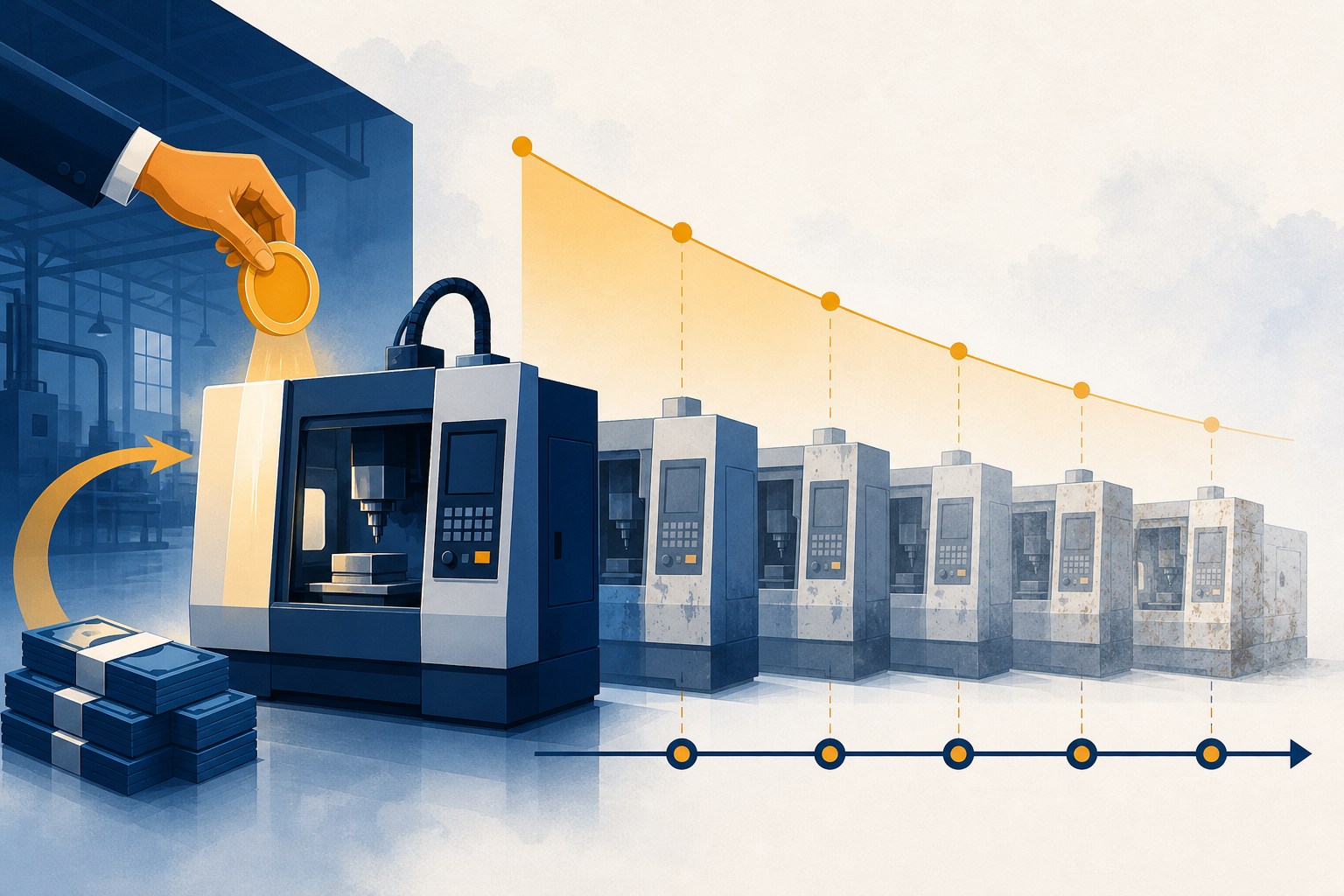
The timing gap between spending and expense
Capital expenditure is cash spent on long-lived assets such as facilities, equipment, or software. Depreciation recognizes that cost over the asset’s useful life, so cash timing and accounting expense timing differ.
Find capital spending in cash flow
Heavy investment can reduce cash flow without appearing as an equal expense immediately. Later, depreciation can reduce profit even though the cash outflow occurred earlier. Read earnings and cash flow separately.
The role of depreciation estimates
Review capital spending in the cash-flow statement, depreciation in the income statement, useful lives, and the split between maintenance and growth investment. Ask whether spending adds capacity or mainly replaces existing assets.
Maintenance versus growth investment
Connecting capex and depreciation shows how much a company reinvests and when the burden reaches reported profit. Investment purpose and potential payback matter more than either number alone.
A simple comparison
Assume, purely for illustration, that equipment costs 100 in cash and is depreciated straight-line over five years. The cash flow statement reflects the spending when paid, while the income statement allocates 20 of depreciation to each year. Actual accounting depends on useful life, residual value, and impairment, so this example only shows the timing difference.
Check notes and periods
When comparing capital spending, review purchases of property and intangible assets, depreciation notes, disposals, and lease accounting together. Filings may not separately identify maintenance investment and expansion investment. Changes in management estimates can also affect reported profit.